

Ein Film in unserem Programm sorgt überall wo er auftaucht für Aufregung: Srpski Film. Vor kurzem erst musste er am Frightfest in London (widerwillig) aus dem Programm genommen werden, da die Zensurbehörde BBFC wie in den schlechten alten Zeiten der Video Nasties-Inquisition vier Minuten an Kürzungen verlangt hat, bevor der Film der allgemeinen Öffentlichkeit zugänglich gemacht werden sollte. Der integre Festivaldirektor zog einen Schlussstrich unter der Debatte, weigerte sich, einen derart gekürzten Film auf seinem Festival zu spielen. /slash zeigt den Film, ungeschnitten.
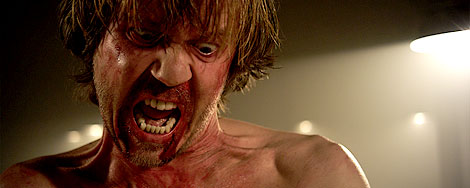
Wie bei jedem ordentlichen Hardcore-Horrorstück, ranken sich auch um Srdjan Spasojevics Srpski Film urbane Legenden: es heisst, die Mitarbeiter eines deutschen Kopierwerks hätten das fertig gezogene 35mm-Filmmaterial vernichtet, in der Annahme, die darauf zu sehenden Gewaltakte seien nicht mit der deutschen Gesetzgebung in Einklang zu bringen. Schließlich willigte der Besitzer einer kleinen, privat geführten Filmkopierstätte in Budapest ein, Srpski Film zu entwickeln – allerdings nur, wenn er davor eine Rechtsfreistellung unterzeichnen darf, die ihn in keinen Bezug zum Inhalt des Films stellt. Auch bei der Vermarktung und dem Verkauf des Films ist es angeblich zu außergewöhnlichen Momenten gekommen: in den USA soll ein Agent der Sales Company von einem verstörten Besucher des Films geschlagen worden sein. Bisher sieht alles noch danach aus als würde das Screening im Rahmen unseres kleinen Festivals planmäßig stattfinden können.
 Die Diskussion rund um Srpski Film erinnert in ihrer Intensität und Aggression nicht zuletzt an ähnliche Debatten etwa um Pier Paolo Pasolinis Gesellschaftsdekonstruktion in Saló oder Die 120 Tage von Sodom oder an die Tabubrüche in explizit ausformulierten Kunstfilmen wie Catherine Breillats Romance oder Gaspar Noés Irréversible. /slash bezieht im Fall von Srpski Film keinen Standpunkt, findet allerdings, dass es einer gesunden Gesellschaft zuzumuten sein muss, ihre moralischen Grenzen gerade auch im Kino immer wieder neu zu hinterfragen. Wir stehen für eine offene, angeregte und intelligente Diskussion und halten nichts davon, Bürger vom Staat im Vorhinein entmündigen zu lassen, ihnen vorzuschreiben, was zumutbar sei und was nicht. Insofern wird die Vorführung von Srpski Film beim diesjährigen /slash Filmfestival eine ganz besondere sein. Da wird Srdjan Spasojevics Film aber nicht ganz im luftleeren Raum stehen lassen wollten, haben wir unseren guten Freund Vladan Petkovic, einen der profiliertesten serbischen Filmkritiker, der regelmäßig unter anderem für das britische Branchenblatt Screen International über mittel- und osteuropäisches Kino schreibt, gebeten, Srpski Film für unsere Zuseher zu kontextualisieren. Das hat er getan, seine Gedanken dazu findet ihr gleich im Anschluss oder auch hier als .pdf
Why Serbian?
Former Yugoslavia (1945-1991) was the Cold War bridge between the USA and the USSR. It was politically influenced by the Eastern Bloc, but remained independent enough to be on the Western side of the Iron Curtain in the cultural sense. Yugoslavia was a country with a healthy interest in Hollywood product, European arthouse, Hong Kong martial arts and American independent films, but also developed a significant cinema of its own, where World War II epics and comedies for the widest audiences led the box office. Yugoslav cinema also had its Black Wave in the sixties, when filmmakers such as Zivojin Pavlovic, Zelimir Zilnik, Dusan Makavejev and Aleksandar Petrovic won prizes at Cannes, Venice and Berlin, while some of their films were simultaneously banned in their country.
When Yugoslavia fell apart in bloody civil wars in the nineties, the film industry was ravaged along with the rest of the infrastructure and the new independent countries had much more urgent problems than to prioritize film-making and cinema-going. Naturally, the first films made in Serbia, Croatia, Bosnia and Macedonia dealt with the war itself or its consequences, displaying nationalistic hatred of former “sister” nations, primarily fuelled by the state media. Some films made in Serbia, such as Srdjan Dragojevic’s Pretty Village Pretty Flame (1996) and Wounds (1998), and Goran Paskaljevic’s Powder Keg (1998) were the rare significant drops in the sea of mediocre or downright awful films about the breakdown of the former country, remnants of war or the state of society. The other kind of local films one could see in Serbia were rural or fake urban comedies, mostly far below any decent level of professional filmmaking or artistic taste. In the first decade of the 21st century, with the development of European funds, europpuding and rise of co-productions, many filmmakers turned to making arthouse films which did well at festivals but were practically invisible in the local theatrical distribution.
In 2003, the young director Dejan Zecevic made the first Serbian slasher horror T.T. Syndrome which sold some 30,000 admissions in Serbia and had a pretty lucrative DVD distribution in selected European territories, including the UK and Belgium. Although an anomaly in Serbian cinema at the time, the film laid foundation for what would happen by 2010. In 2007, the same director made The Fourth Man, a dark thriller in the vein of The Bourne Identity which marked the beginning of the new wave of Serbian genre films, which now includes Nebojsa Radosavljevic’s neo-noir Who the Fuck Is Milos Brankovic, Milan Konjevic and Milan Todorovic’s zombie flick Zone of the Dead, Aleksa Gajic’s anime-inspired animated feature Technotise: Edit & I, Uros Stojanovic’s pseudohystorical epic/fantasy Tears for Sale and Mladen Djordjevic’s lauded, subversive arthouse gem The Life and Death of Porno Gang.
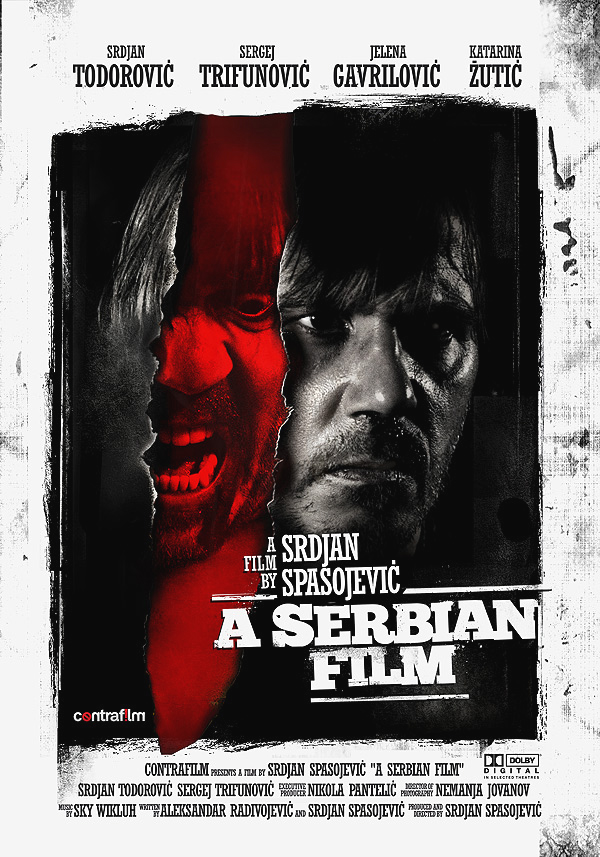
This is the context in which we should put A Serbian Film. Owing its transgressive content to Japanese and Korean ultraviolent cinema, visual identity to Hollywood of the seventies (Peckinpah, Friedkin, Scorsese), it seems like this film has come out of nowhere to shake, disturb, horrify and outrage unsuspecting audiences, while its roots are actually in the tradition of Yugoslav film. Writer Aleksandar Radivojevic (also responsible for Tears for Sale) and debutant director Srdjan Spasojevic have taken certain characteristics and archetypes of Yugoslav and Serbian film, amplified them to 11 on the volume knob, turned them upside down and infused them into the thriller genre, attacking both the society and the mentality of Serbian cinema. On one hand, Serbian (as well as the other Balkan) filmmakers are more and more often compelled to agree to the reality of European co-productions, which requires to check certain boxes when writing a script, such as consequences of war, victimized characters, pathetic and straightforward transition questions, and above all, a numbing political correctness in the form, expression and point of view. On the other hand, Yugoslav cinema had a long tradition of motifs such as incestuous family relations, rough sex, violence between spouses, violence against children, and high body count of characters that the writer didn’t know what to do with. A Serbian Film takes all this and more, creating a metaphor for the society which mistreats its children from birth, sending them to meaningless wars, not giving them any freedom of choice, discouraging them from getting acquainted with other cultures, and pressing them into numb submission.
A Serbian Film shows you what no film financed by European funds or state grants does- the agonizing reality behind bland proclamations of liberty, unity, human and civil rights and freedom of speech. This film will tell you the truth about the state of mind in Serbia, Europe and the world. You just have to extract it out of the nightmarish conglomerate of images and sounds it will bomb you with.
by Vladan Petkovic
Filminfo und Tickets: Mi 29.09. 20:30
Nach dem Film gibt’s Wodka Wanessa für alle die den Saal nicht vorher schon schreiend verlassen haben.